


Reality Capture for submarine maintenance and fabrication: accuracy, safety and cost certainty with the Leica RTC360
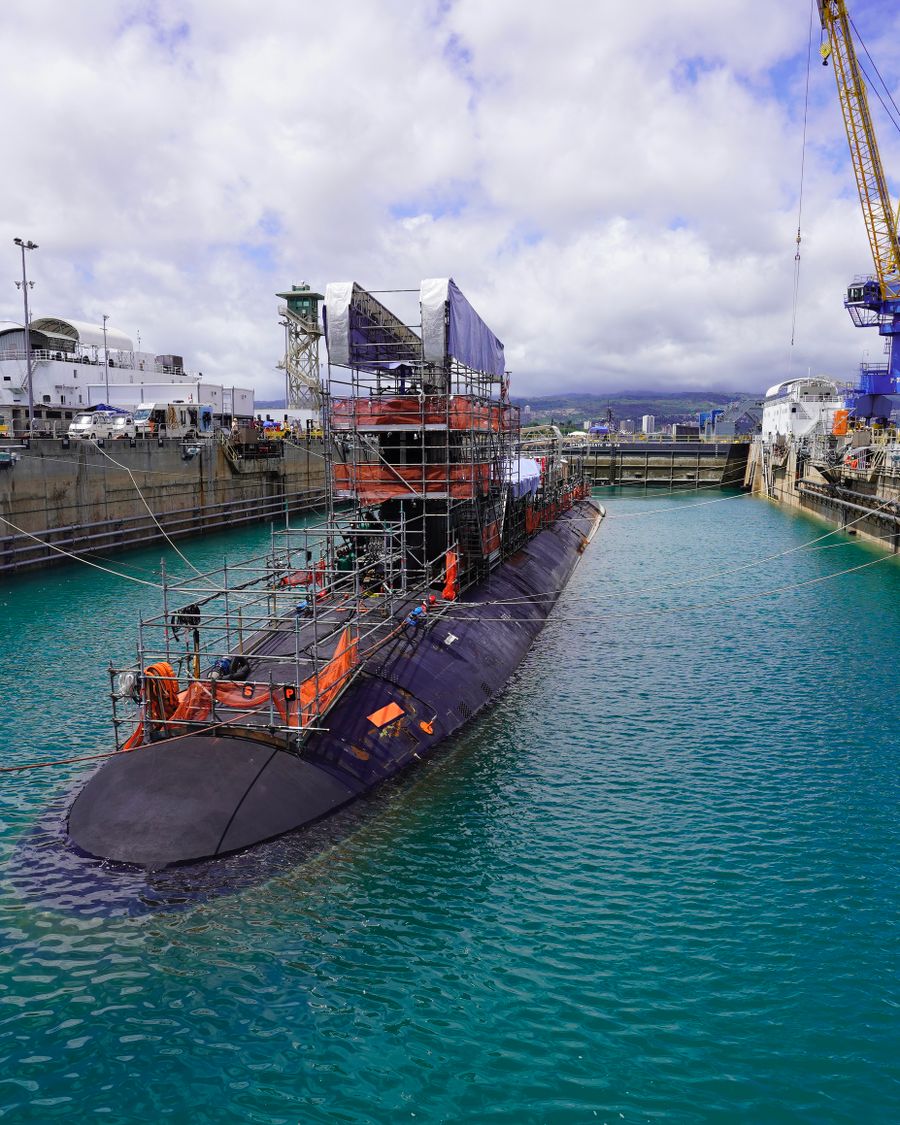
Submarine maintenance and sustainment environments place some of the highest demands on measurement accuracy, planning discipline and safety. Tight access, complex geometry and long service lives mean that small uncertainties can quickly compound into extended maintenance windows, rework or commercial risk.
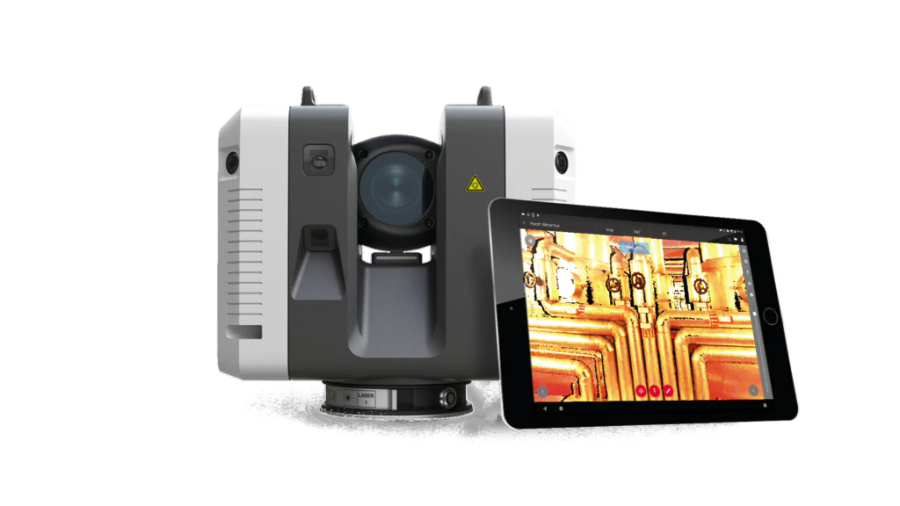
At C.R. Kennedy, we are seeing Reality Capture increasingly adopted across naval and defence programs as a practical way to reduce uncertainty. High‑speed 3D laser scanning, using the Leica RTC360, enables defence teams to capture precise as‑built data quickly, safely and repeatably, even in highly constrained environments.
The result is improved planning, higher confidence fabrication, reduced exposure in confined spaces, and stronger cost control across the asset lifecycle.
"Reality Capture turns uncertainty into confidence for submarine maintenance, fabrication and sustainment workflows."
The challenge of submarine maintenance environments
Submarines are among the most complex assets maintained by defence forces. Curved hull geometries, dense mechanical systems and limited line‑of‑sight access make traditional measurement methods slow and error‑prone.
Over long service lives, repeated refits and upgrades can also result in documentation that no longer accurately reflects the true as‑built condition of the vessel. This creates risk for planners, maintainers and fabricators who must rely on legacy information when making critical decisions.
Reality Capture addresses these challenges by producing an objective, highly accurate digital record of the submarine as it exists today, not as it was designed decades earlier.
Supporting fit‑for‑fabrication and modification planning
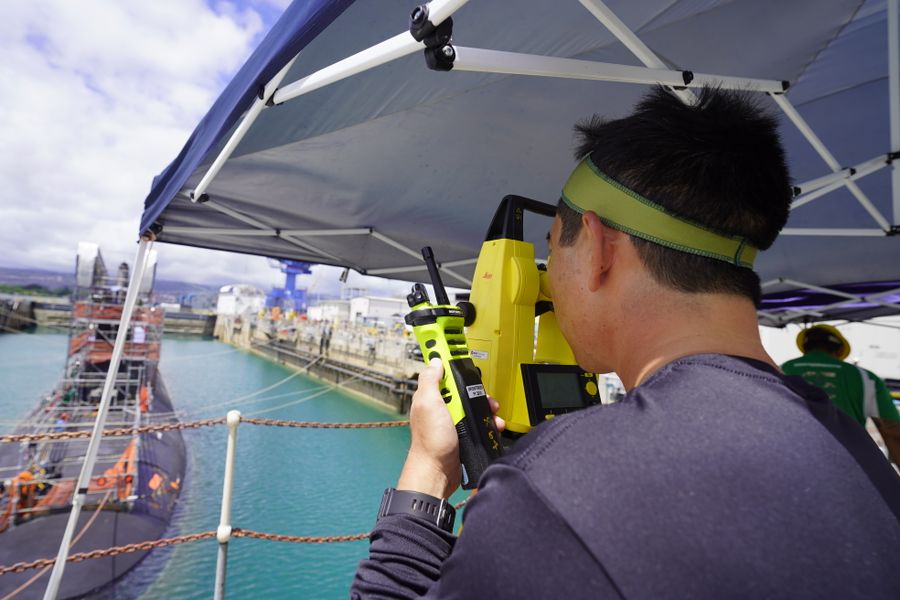
By capturing true as‑built geometry, fabrication teams can design brackets, pipe spools, structural supports and interfaces directly against reality. This minimises trial fitting and avoids costly rework during installation.
For upgrade and modification programs, this approach supports better sequencing, clash detection and confident off‑vessel design, all critical when access windows are tightly controlled.
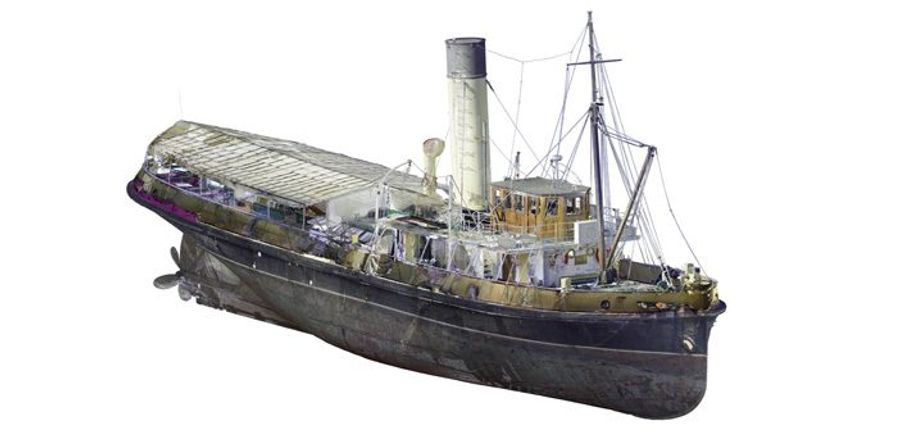
Why the Leica RTC360 is well suited to defence and naval environments
- Rapid capture: colourised, high‑resolution scans in under two minutes reduce time on vessel.
- Compact and portable: easy movement through hatches, compartments and restricted access zones.
- VIS‑enabled workflows: automated tracking between scan positions in complex interiors.
- Engineering‑grade data: suitable for fabrication, verification and lifecycle management.
Case Study: Surface area verification and cost certainty
In defence environments, Reality Capture is not only a technical tool, it is also a mechanism for improving commercial certainty.
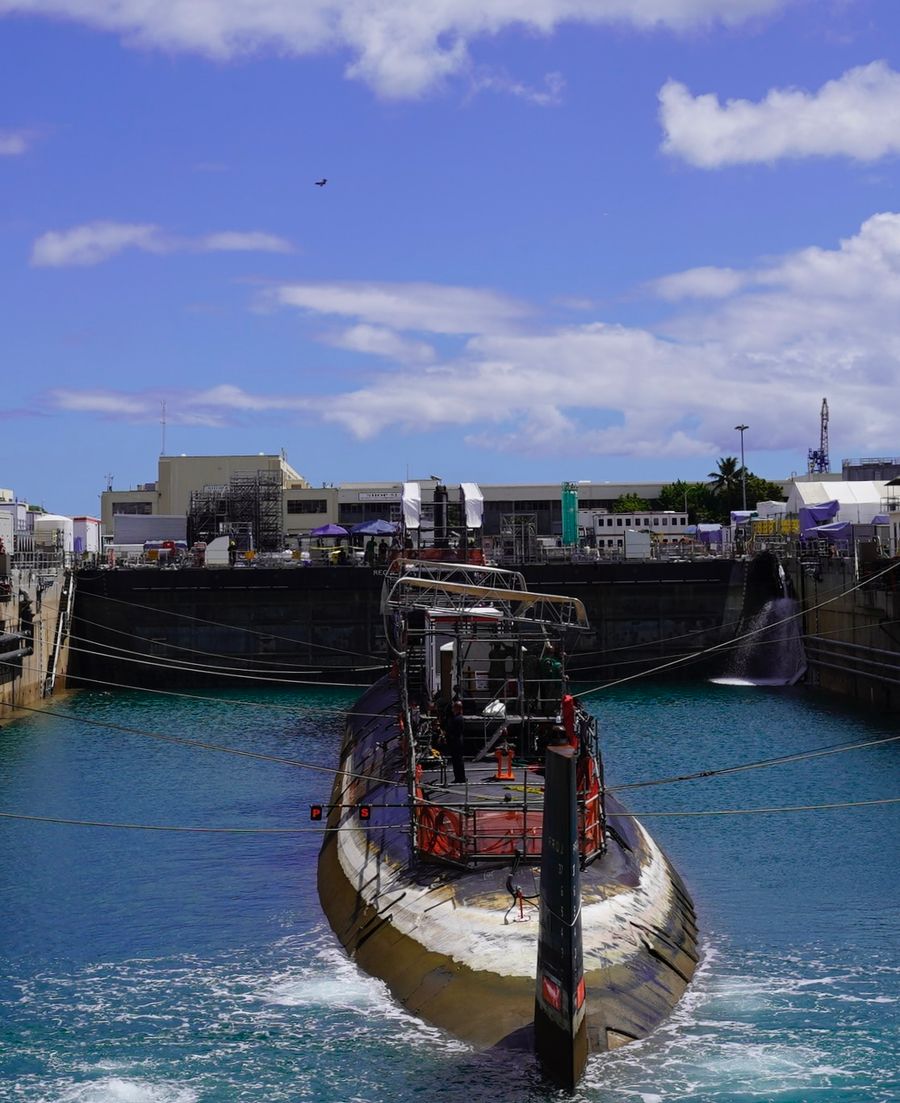
In one example encountered by CRK, a contractor supporting submarine surface treatment works required accurate surface area measurements to prepare precise quotations for abrasive blasting and coating application. These activities are highly material‑dependent, and small discrepancies in surface area can drive significant variation in cost.
Due to the sensitive nature of the asset, detailed hull drawings could not be issued for external quotation. By capturing the vessel’s external surfaces using Reality Capture, surface areas could be calculated directly from measured geometry rather than estimates.
This enabled accurate quoting from the outset, preventing scope variation during execution and ensuring billed quantities aligned closely with actual material usage.
Improving safety and reducing exposure
Time spent inside submarines carries inherent safety risks due to confined spaces and dense systems. Reality Capture reduces exposure by allowing a single capture session to support measurement, verification and planning tasks remotely.
This aligns strongly with modern defence safety frameworks and sustainment best practices.
Submarine maintenance and fabrication require absolute confidence in measurement, geometry and planning. Reality Capture with the Leica RTC360 provides defence organisations with a fast, accurate and safety‑focused way to support sustainment, fabrication and contract assurance.
Find out more about the Leica RTC360
For organisations supporting complex maintenance, fabrication or upgrade work, particularly in confined, safety‑critical or access‑restricted environments, Reality Capture can play a key role in improving accuracy, reducing risk and delivering better cost certainty.
Learn more about the Leica RTC360 and how high‑speed reality capture can support your workflows across defence, marine and industrial asset environments.
Image credits:
Images 1307, 3446 and 5077:
“USS Colorado Enters Pearl Harbor Dry Dock”
,
U.S. Navy photo by
Claudia LaMantia
,
via Defense Visual Information Distribution Service (DVIDS).
Tug image:
Courtesy of
Global Survey Ltd, “Digitally preserving New Zealand’s maritime history with the Leica RTC360”
.
RTC360 product image: C.R. Kennedy / Leica Geosystems.
The appearance of U.S. Department of Defense visual information does not imply or constitute DoD endorsement.
